Truth, Lies, and Manufactured Reality
Who benefits when the truth is distorted?

The distance between an error and a lie
People have always repeated things that were untrue. Sometimes they were mistaken; sometimes they were misled; sometimes they knew exactly what they were doing. Those distinctions matter. Misinformation can be spread without intent to deceive. Disinformation is created or circulated deliberately to mislead. An argument about truth becomes confused when every mistake is called a lie—or when an intentional deception is dismissed as an innocent difference of opinion.
What concerns me most is how readily a repeated falsehood can become familiar. Familiarity may feel like evidence, particularly when friends, commentators, or institutions we trust repeat the same claim. The number of repetitions is not a measure of accuracy.
Why the modern information environment is different
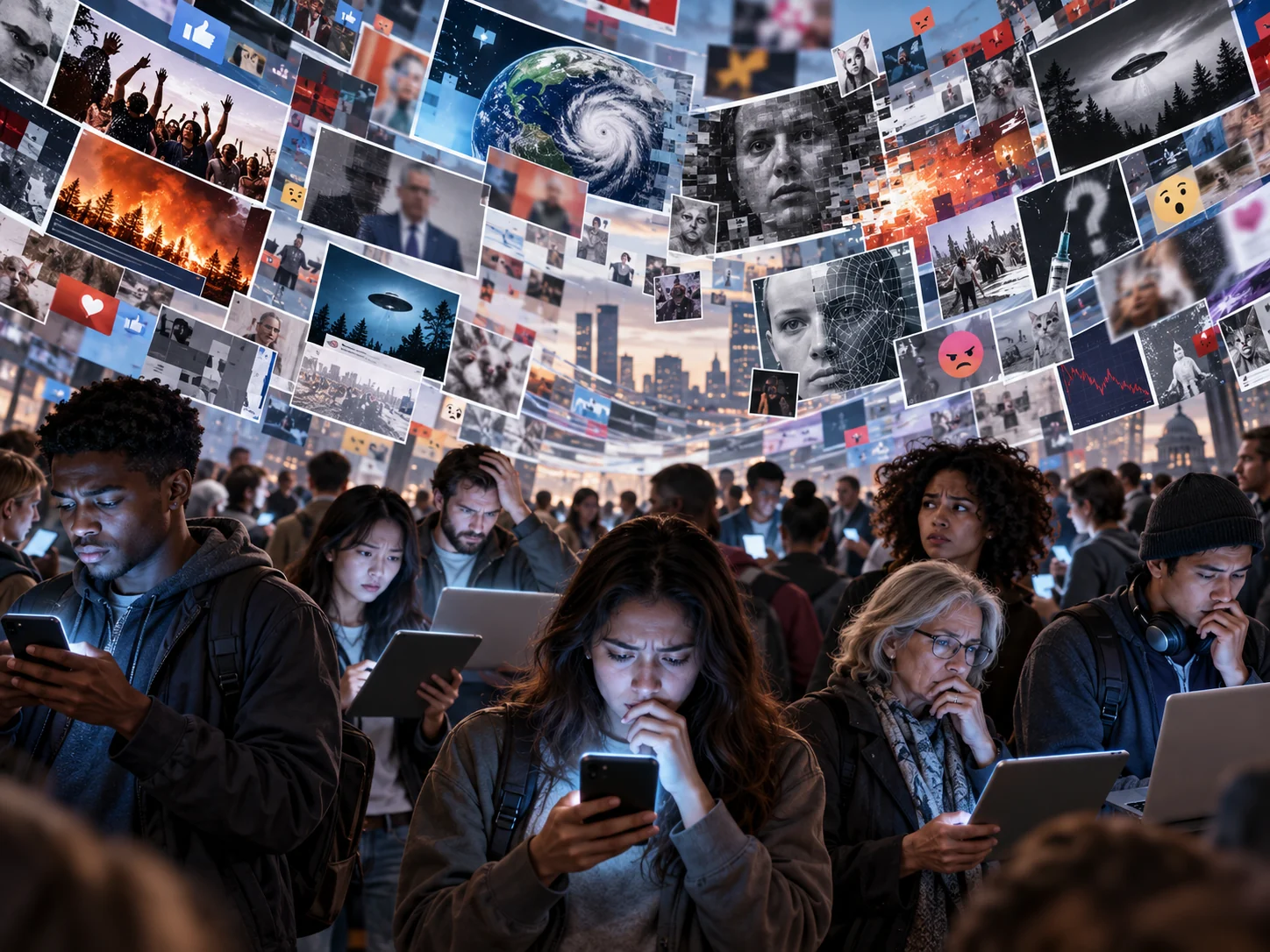
Publishing once required expensive equipment and an established distribution system. Today a falsehood can reach a vast audience almost instantly. Images can be altered, recordings edited, and headlines separated from the stories beneath them. A short clip may omit the sentence that would change its meaning. A genuine photograph may be assigned an entirely false date or location.
At the same time, unprecedented amounts of reliable information are available to ordinary readers. The problem is not simply that we lack access to facts. It is that useful evidence and manipulative content can arrive through the same screen, wearing the same visual costume.
How manipulation works
A misleading statement does not always contain an outright false assertion. A carefully selected statistic can conceal a trend; a frightening anecdote can stand in for a representative sample; a technically accurate quotation can be stripped of context. Another technique is to assign motives to an opponent, then argue against those invented motives as though they were facts.
Emotional language is powerful because emotion is part of how people make decisions. Anger and fear can be legitimate responses. But when a message seems designed primarily to make us angry before we have checked what happened, that is a good reason to slow down.
A reader’s responsibility
No individual can investigate every claim. We can, however, develop habits: look for the original source, check dates, separate reporting from commentary, ask what evidence would change our mind, and compare accounts that are independently produced. Expertise deserves attention, but experts may disagree; understanding what they disagree about is often more useful than choosing the most confident voice.
We also have to be willing to correct ourselves. A commitment to truth cannot mean that our preferred side is always right. It must mean that a claim is open to revision when the evidence changes, even when doing so is uncomfortable.
In the novels
In Death Call from Venus, secrecy and the suppression of information turn scientific discovery into a struggle for survival. In The Heirs of Venus, the consequences of manipulated belief can become even more far-reaching. Fiction permits me to intensify those stakes, but the central question belongs to everyday life: how can free people make meaningful choices without reasonably trustworthy information?