Disability, Dignity, and Independence
What makes a person capable?
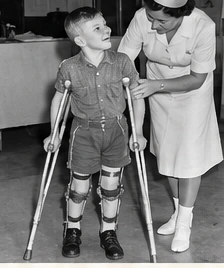
A body is not a biography
When people encounter someone using braces, crutches, a wheelchair, or another mobility aid, they may imagine they already know the person's story. They notice the device before the individual. They assume difficulty, dependence, or tragedy without asking about work, family, achievement, pleasure, or ambition.
My own experience with polio and a long career in architecture has given me ample reason to question that way of looking at people. Physical limitations are real, but they do not provide a complete description of a life. They say little about intelligence, imagination, judgment, or the desire to take part in the world.
Independence does not mean doing everything the same way
Independence is often mistaken for the ability to perform every task without assistance. That standard makes little sense. We all depend on tools, technologies, other people, and environments arranged to help us function. A person who drives a car does not become less independent because the vehicle carries them; a person who uses crutches should not have their independence questioned merely because their method of movement is visible.
There is a difference between needing accommodation and surrendering control. A step, an inaccessible doorway, or a poorly designed bathroom can transform a simple errand into an obstacle course. Sometimes what appears to be a person's 'disability' is compounded by a building or social expectation that did not need to be designed that way.
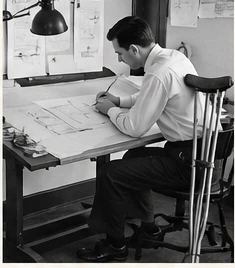
Architecture teaches a practical lesson
As an architect, I see accessibility as more than regulatory compliance. It is a decision about who can enter a place, participate in an activity, or pursue an ordinary life without an unnecessary barrier. Good design anticipates variation among human beings. It does not treat every body as identical and then blame people who do not fit the drawing.
That philosophy extends far beyond ramps and door widths. Workplaces, schools, public meetings, and social gatherings can be arranged either to welcome people or to make them ask permission for something that others take for granted. What looks like a minor detail to a designer can define another person's entire experience.
Pity is not the same as respect
Some responses to disability are well meant but still limiting. Excessive sympathy may imply that the person should be admired simply for living an ordinary life. Conversely, celebrating exceptional accomplishment can sometimes obscure the right to be ordinary—to make mistakes, have disagreements, pursue romance, or be judged by one's actual conduct rather than treated as a symbol.
Respect begins by recognizing complexity. Disabled people can be proud, difficult, generous, brilliant, foolish, kind, ambitious, and contradictory, just like everyone else. They are not required to be inspirational to deserve equal treatment.
In the novels
Gloria Tejeda in High Ground is an architect who wears braces and uses crutches. Her disability matters to the way she moves through the world, but it is neither the whole of her identity nor the ultimate measure of her capabilities. Her choices, relationships, principles, and courage matter more.
I hope readers come away with a simple idea: the dignity of a person does not depend on whether their body resembles an imagined standard of perfection. It depends on our willingness to recognize the person who inhabits it.